Where diamonds and gold actually come from — the certificates that mean something
27.08.2026 · Rauno Oidram
Every natural diamond we set moves through the Kimberley Process certified chain, every stone above 0.3 carats carries a GIA or IGI certificate, and the gold our rings are made of is predominantly recycled. Those three sentences sound like marketing until you know what each certificate actually guarantees — and what it does not. Here it is, plainly.
The Kimberley Process: what it covers
The Kimberley Process is the intergovernmental system certifying rough diamond exports and keeping conflict-zone stones out of the official chain. It is a necessary floor — but honestly: it tracks borders, not individual stones, and does not cover working conditions. That is why we buy only from suppliers who declare origin on their side too — and why origin is simplest of all for lab stones: their birthplace is a documented facility.

GIA and IGI: what the certificate says
An independent laboratory certificate describes the stone — the 4Cs, measurements, fluorescence — and whether it is natural or lab-grown. The number verifies in the lab's own database. What it does not say: whether the stone is eye-clean, and whether it is beautiful. Those two answers we give ourselves, stone in hand.
The lab stone's footprint — honestly
A lab-grown stone needs no mine, which is its greatest ethical advantage. The honest addition: growing takes serious energy, so the real footprint depends on the producer's power source. "Lab-grown" does not automatically mean "zero footprint" — it means "no mine", which is already a great deal.
Recycled gold
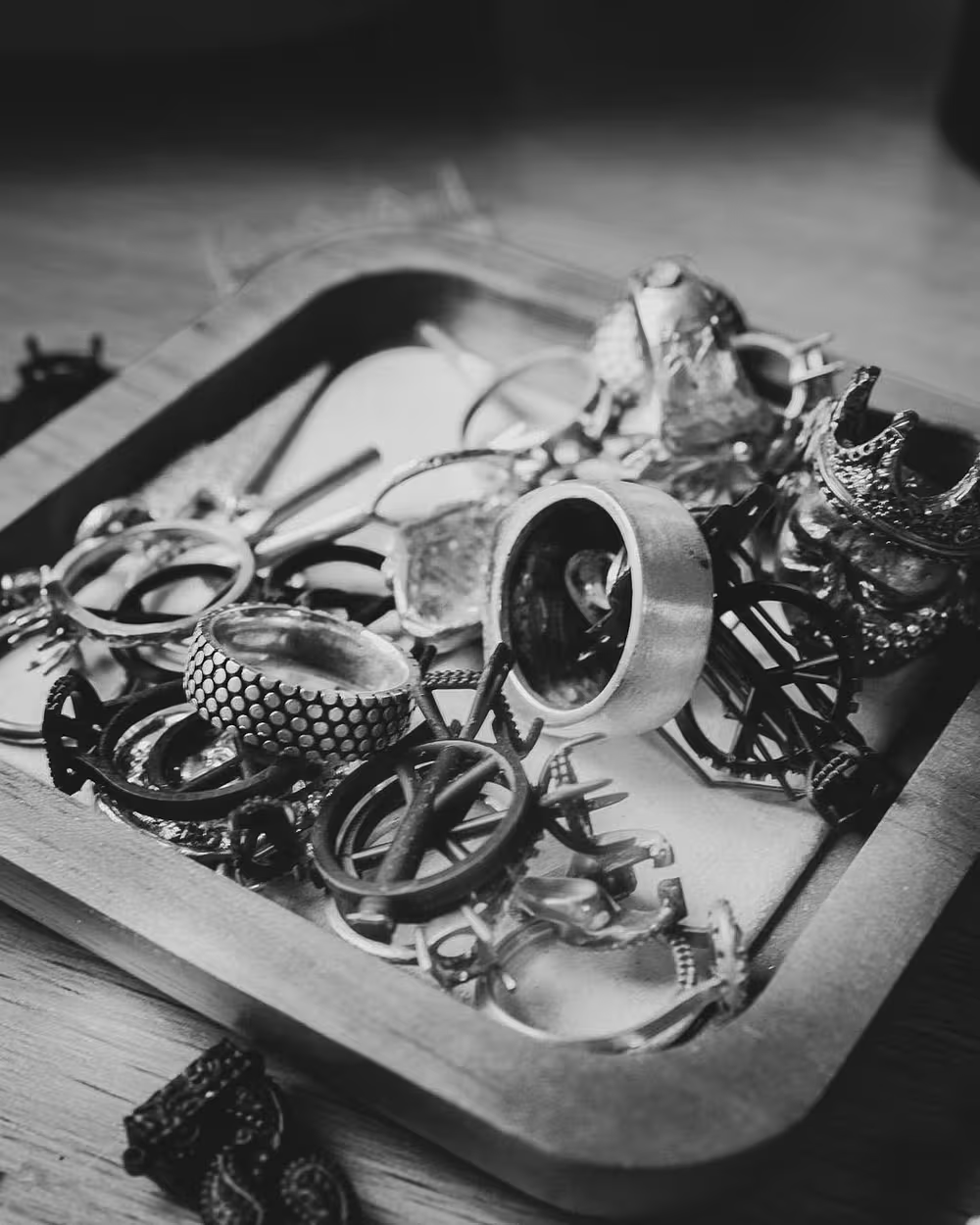
Gold remelts endlessly with no loss of quality — recycled 585 gold is chemically identical to newly mined, without the new mine. Most of the gold we work with is of recycled origin.
Questions worth asking any jeweller
- Does the stone carry a GIA or IGI certificate, verifiable in the lab's database?
- Is it eye-clean — and will the seller put that in writing?
- Where does the gold come from — is the recycled share known?
Read next: Origin and ethics · Lab-grown or natural diamond: an honest comparison from a maker who sells both · Diamonds and the 4Cs: How to Choose the Right Stone
Frequently asked
Are your diamonds conflict-free?
Natural stones move through the Kimberley Process certified chain and we buy only from origin-declaring suppliers. A lab-grown stone's origin is a documented facility — the simplest answer of all.
Is recycled gold worse than new?
No — gold remelts endlessly with no loss of quality. Recycled 585 gold is chemically identical to mined; the only difference is that no new mine is needed.
What does a GIA or IGI certificate not guarantee?
It grades properties, not beauty: it will not tell you whether the stone is eye-clean or how it truly performs in light. Those we judge stone in hand, and say so honestly.

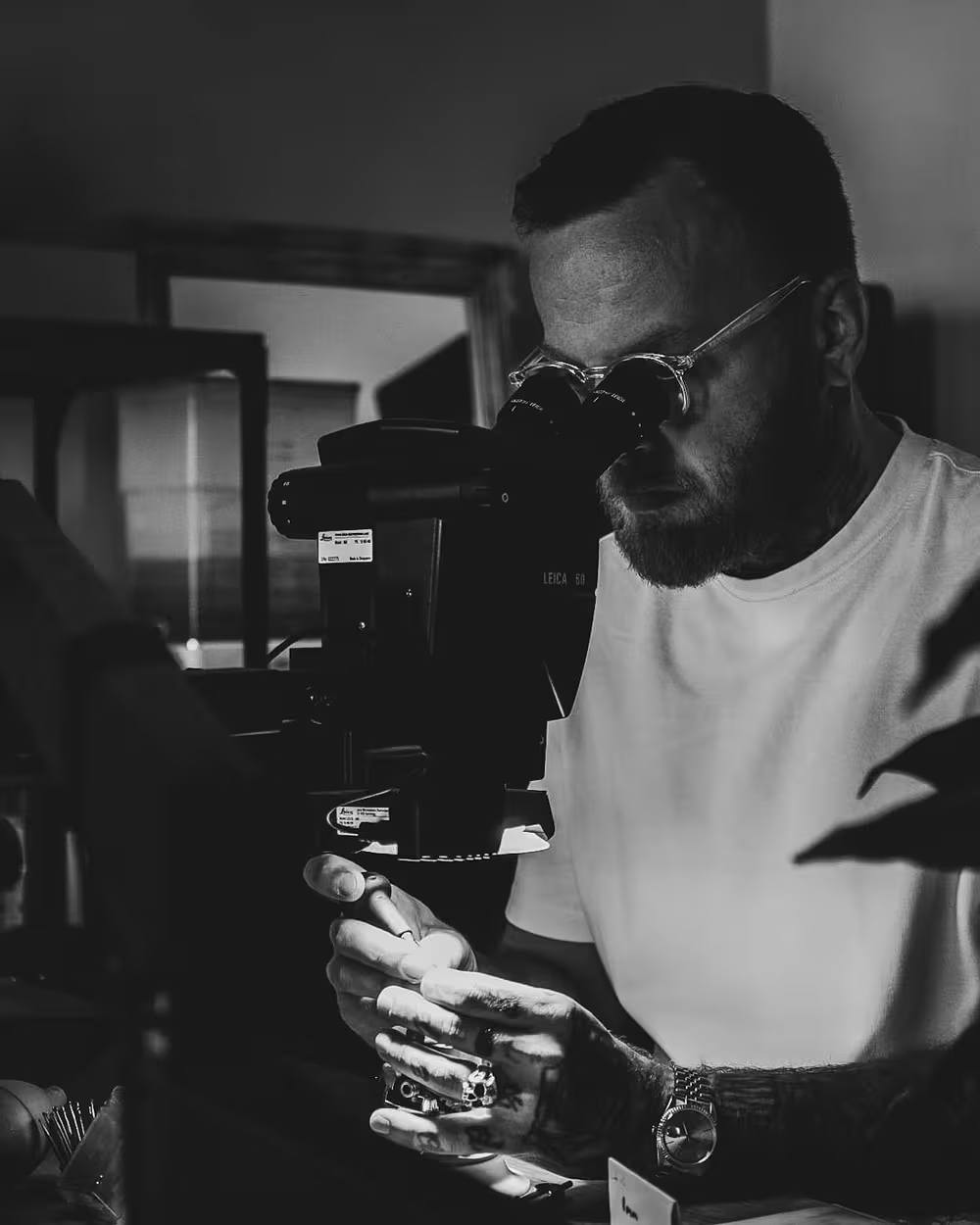
Rauno Oidram — goldsmith, Keefirivunts
Designs the Keefirivunts rings and personally chooses every stone.