Engagement ring design and metals: choosing the form that suits her hand
27.08.2026 · Rauno Oidram
Engagement ring design starts from two things: the jewellery she already wears (metal tone and boldness), and the stone you chose. The classic forms are three: solitaire, halo, and side stones. Metal is both an aesthetic and a practical decision. Here are both, honestly — including the minuses catalogues skip.
The three forms
- Solitaire — one stone, a clean band. Timeless, lets the stone speak, suits every hand and style. When in doubt, the solitaire is the answer — that is why it is the classic.
- Halo — a ring of small stones around the centre. Makes the stone read larger and adds sparkle; by nature grander and more noticeable. The practical minus: more stones mean more maintenance over the years.
- Side stones — a centre stone with two or more companions. Adds width and light while keeping a solitaire's clarity. The golden middle when a halo feels like too much.

The metals, honestly
- Yellow 585 gold — the Estonian classic: warm, durable, maintenance-free. Especially right when her other jewellery is gold.
- White 585 gold — a cool silvery tone. The honest sentence not every shop says: white gold is plated with rhodium, which wears over the years and then needs refreshing — a small, routine service, but better known before than after.
Small practical things that matter
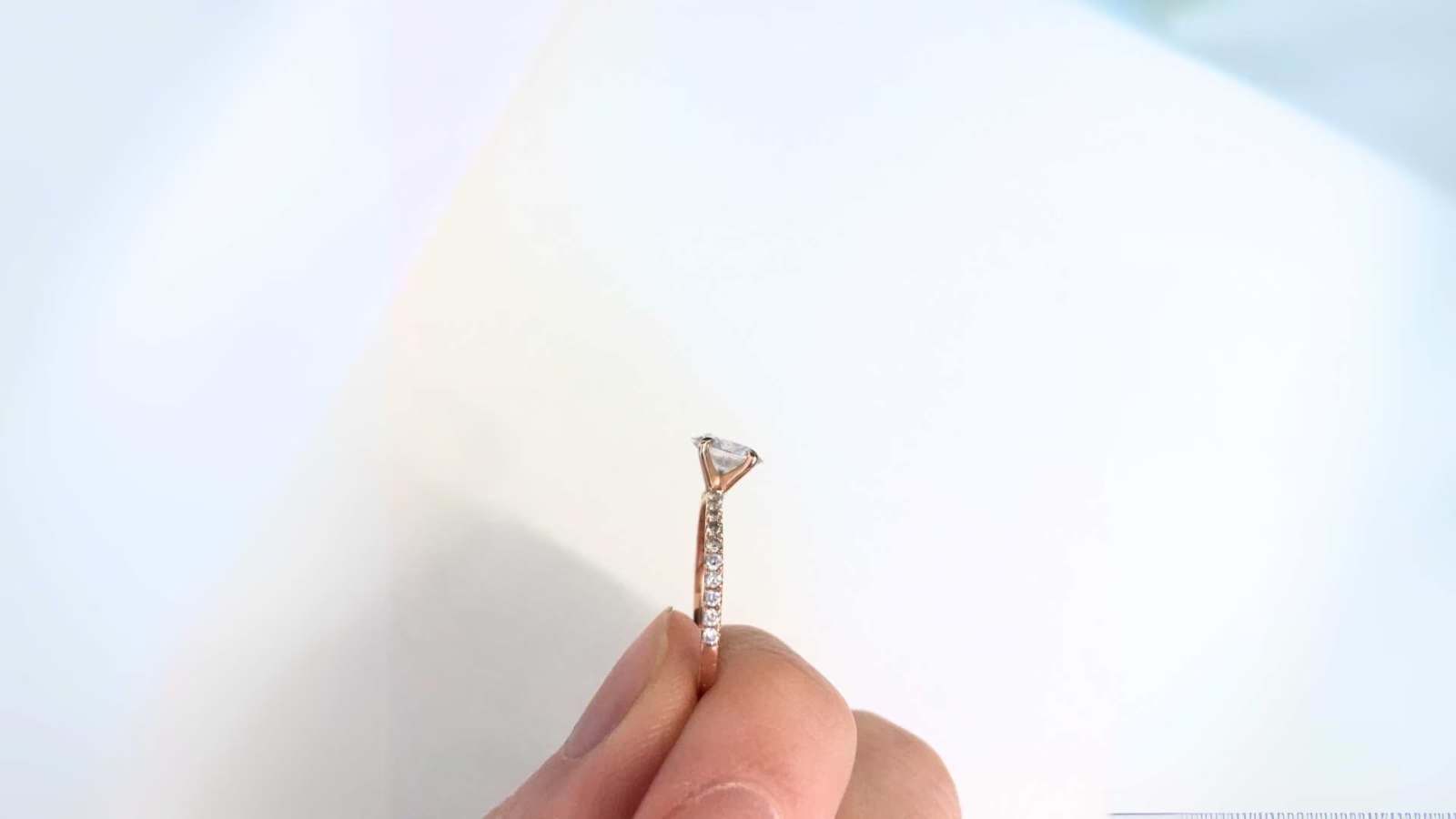
- Band width: a slimmer band (under 2 mm) makes the stone read larger; a wider band sits tighter and often needs half a size up.
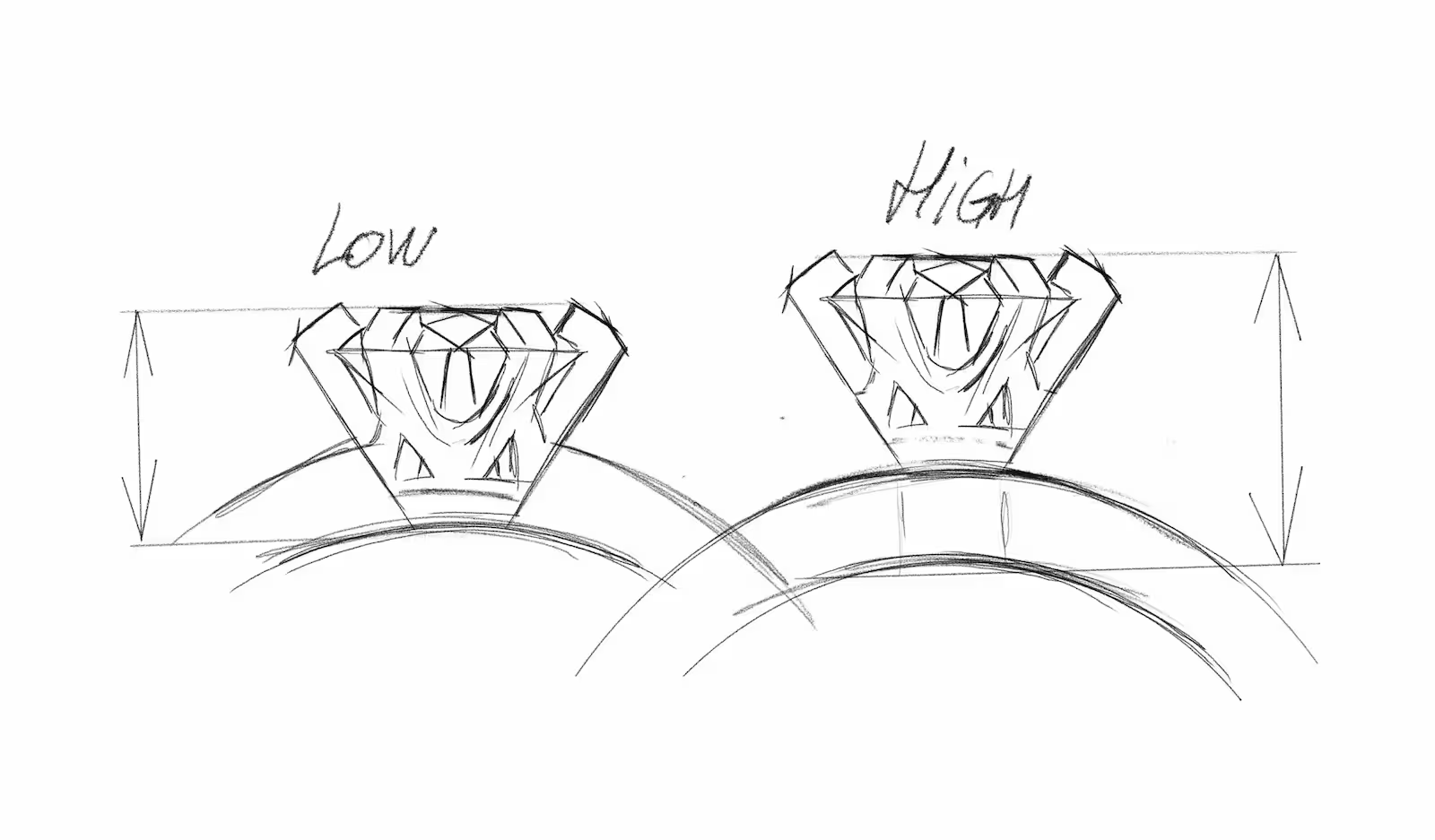
- Stone height: a lower setting is more practical day to day — it does not catch on gloves or hair. A higher setting catches more light.
- The wedding band later: if a wedding band will join it, choose a form that lets them sit flush — say so at the consultation from the start.
Reading her style
Look at three things: which metal tone repeats in her jewellery, how delicate or bold it is, and whether her style is classic or distinctive. With those three answers the design is nearly chosen. Without them — a solitaire in 585 gold is the choice nobody has ever regretted, and a consultation puts stones and forms side by side for real.
Read next: Design and materials · How to Choose an Engagement Ring · How to Take Care of Your Engagement Ring
Frequently asked
Which design is the safest choice?
A solitaire in 585 gold. Timeless, suits every hand and style, and lets the stone lead. Bolder choices can always happen together later — the wedding band, for instance.
Does white gold turn yellowish over time?
White gold is rhodium-plated, and the plating wears over years — the warmer gold tone then starts to show. A rhodium refresh is a small routine service that returns the bright silvery white.
Is a thin band too fragile for daily wear?
A properly made 1.6–2 mm band takes daily wear well. Below that, a ring becomes more sensitive to bending — we say so honestly when a chosen design needs a more careful hand.

Rauno Oidram — goldsmith, Keefirivunts
Designs the Keefirivunts rings and personally chooses every stone.